The Complete Guide to EV Wire Harness Design
Your EV's performance depends on its nervous system. Old designs are creating production bottlenecks. Here is the roadmap to the future.
"The future of EV manufacturing requires a total redesign... Success by 2026 will depend on shifting to zonal architecture, using a hybrid of optical signals, designing semi-rigid components, and integrating real-time health monitoring."
Beyond Copper: The Hybrid Signal Era
How will signal transmission evolve?
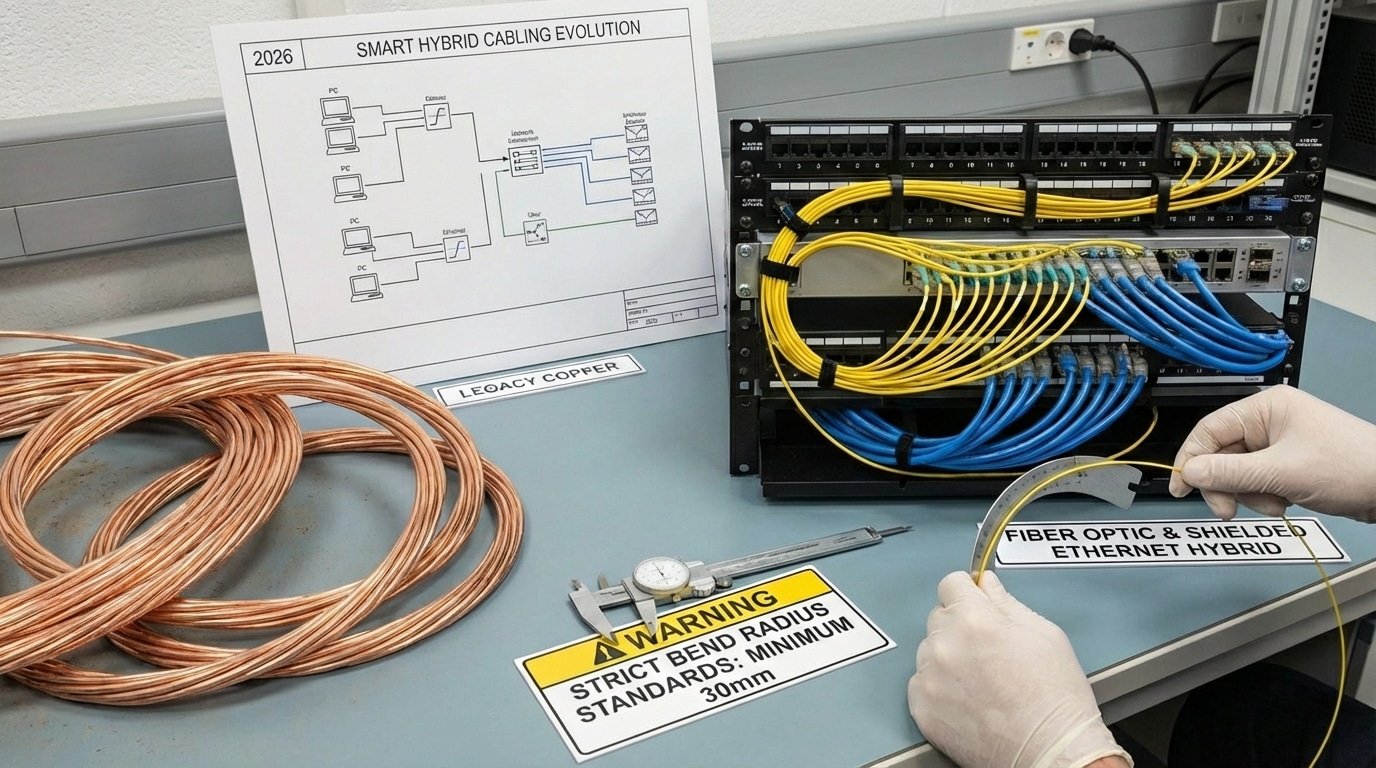
High-speed data needs for ADAS and V2X are overwhelming traditional wiring. Simply packing in more copper creates bulky, heavy harnesses.
For 2026: Move from copper bundles to a smart hybrid approach using fiber optics and shielded Ethernet. Requires strict bend radius standards.
"I call traditional methods the 'blindly piling on materials' approach. The future is opto-electronic synergy. We now enforce strict automated inspections because a high-speed link is useless if damaged during assembly."
| Aspect | Pre-2026 Approach | Modern Approach (2026+) |
|---|---|---|
| Method | More copper wires | Fiber Optics & Ethernet |
| Factory Focus | Manual routing | Automated Inspection |
The End of the "Long Dragon"
Is the one-piece harness obsolete?
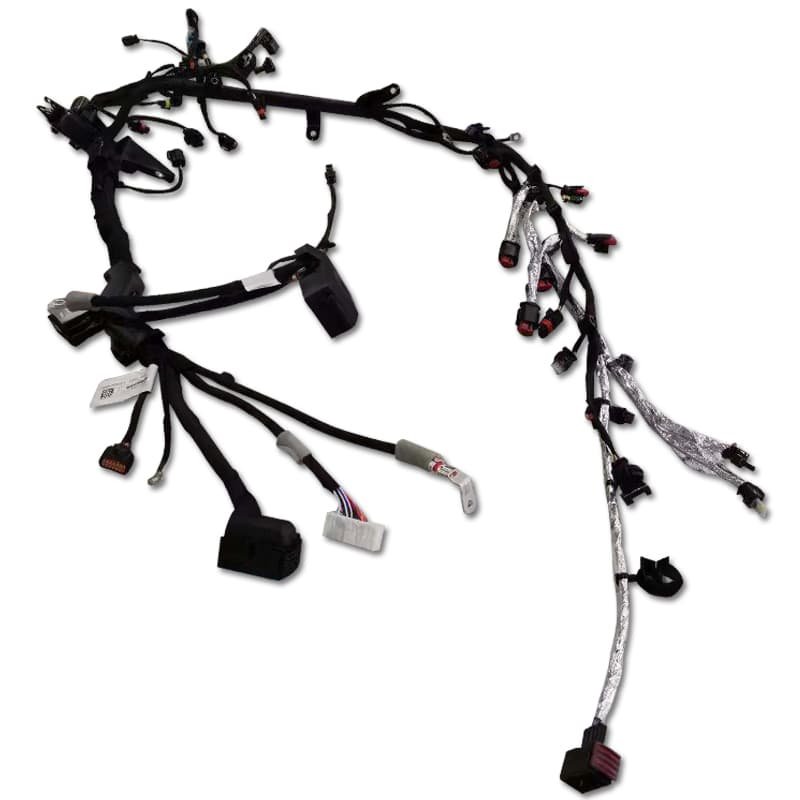
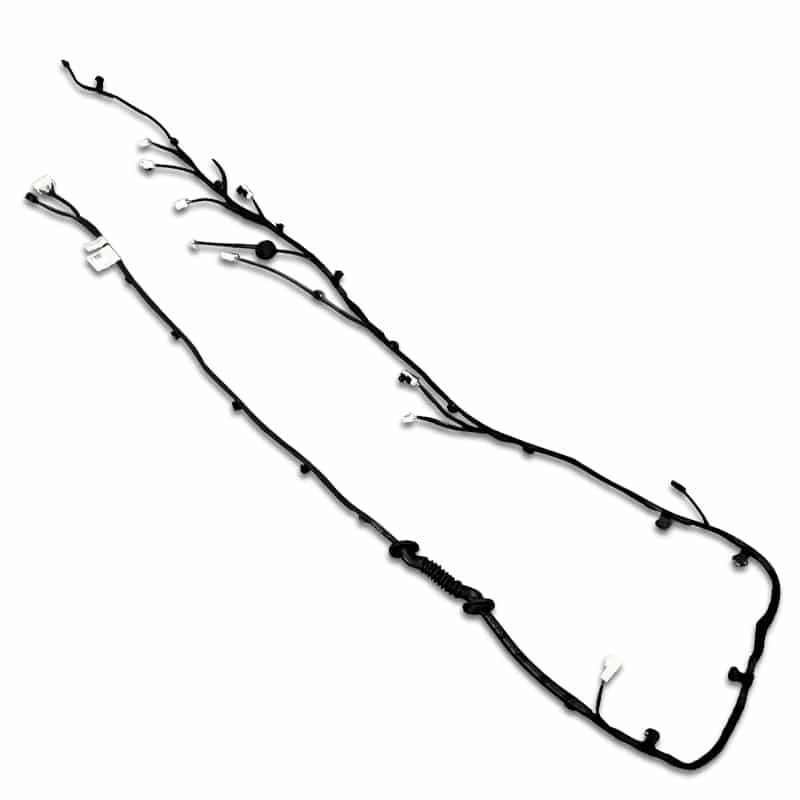
Installing a single, massive wire harness is slow, error-prone, and blocks automation. The "Long Dragon" era is ending.
The Shift: Zonal Architecture breaks the harness into modular sections (front, rear, cabin). This enables plug-and-play assembly and drastic installation time reduction.
"Think of it like LEGO bricks. We recommend adding blind-mate guide structures so robots can plug modules in perfectly every time. It transforms hours of labor into minutes."
Digital Twins & Smart Diagnostics
Making harnesses intelligent
Traditional harnesses are silent until they fail. Modern EVs cannot afford mystery failures.
The Solution: Integrate sensors and E-Fuses to create a Digital Twin. This allows the vehicle to monitor health in real-time and predict failures.
"We generate a unique 'electrical fingerprint' for every harness at the factory. Years later, a technician can compare live data to this baseline to pinpoint issues instantly."
Rigid Designs for Robots
Why rigidity equals speed?
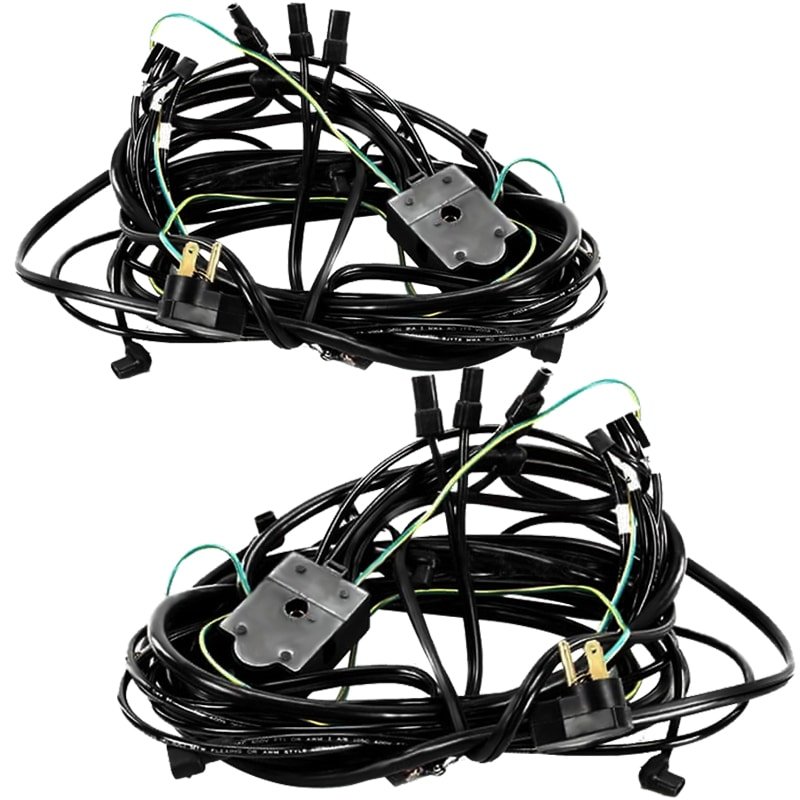
Flexible wires are like spaghetti—robots hate them. To automate, we must "harden" the design.
The Strategy: Replace wire bundles with Semi-Rigid Busbars and FPCs. These provide structured shapes that robots can grip and position perfectly.
- Flexible Wire Bundle: Low Automation Potential
- Rigid Busbar: High Automation Potential
- FPC (Printed Circuit): High Automation Potential
Ready for the 2026 Shift?
Rethinking EV harnesses around zonal architecture, hybrid signals, and smart diagnostics is not optional—it's essential.