Strain Relief
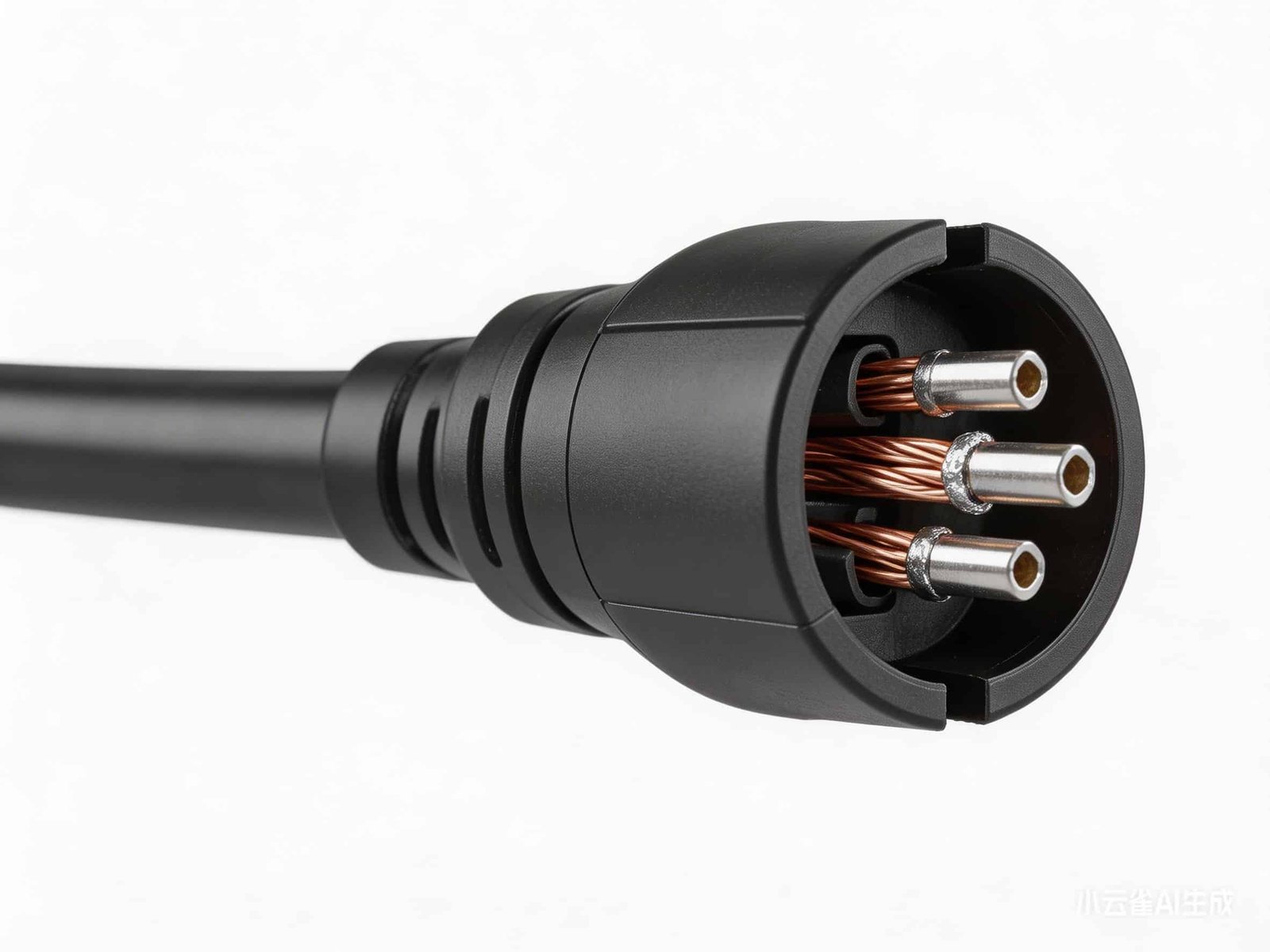
Control cable bending near the connector or breakout and reduce stress at the termination point.
Custom Cable Overmolding Services
Cablum provides custom cable overmolding for connectors, cable exits, Y-junctions and strain-relief features. We support PVC, TPU and TPE overmolding, with tooling coordinated through qualified partners and assembly managed by our Shenzhen team.
Why Overmold a Cable Assembly?
An overmold can protect the termination area, improve strain relief and create a consistent interface. Final performance depends on the cable, connector, material, tooling and validation plan for the specific project.
Control cable bending near the connector or breakout and reduce stress at the termination point.
Support sealing against dust or moisture when the complete assembly is designed and validated for the required ingress rating.
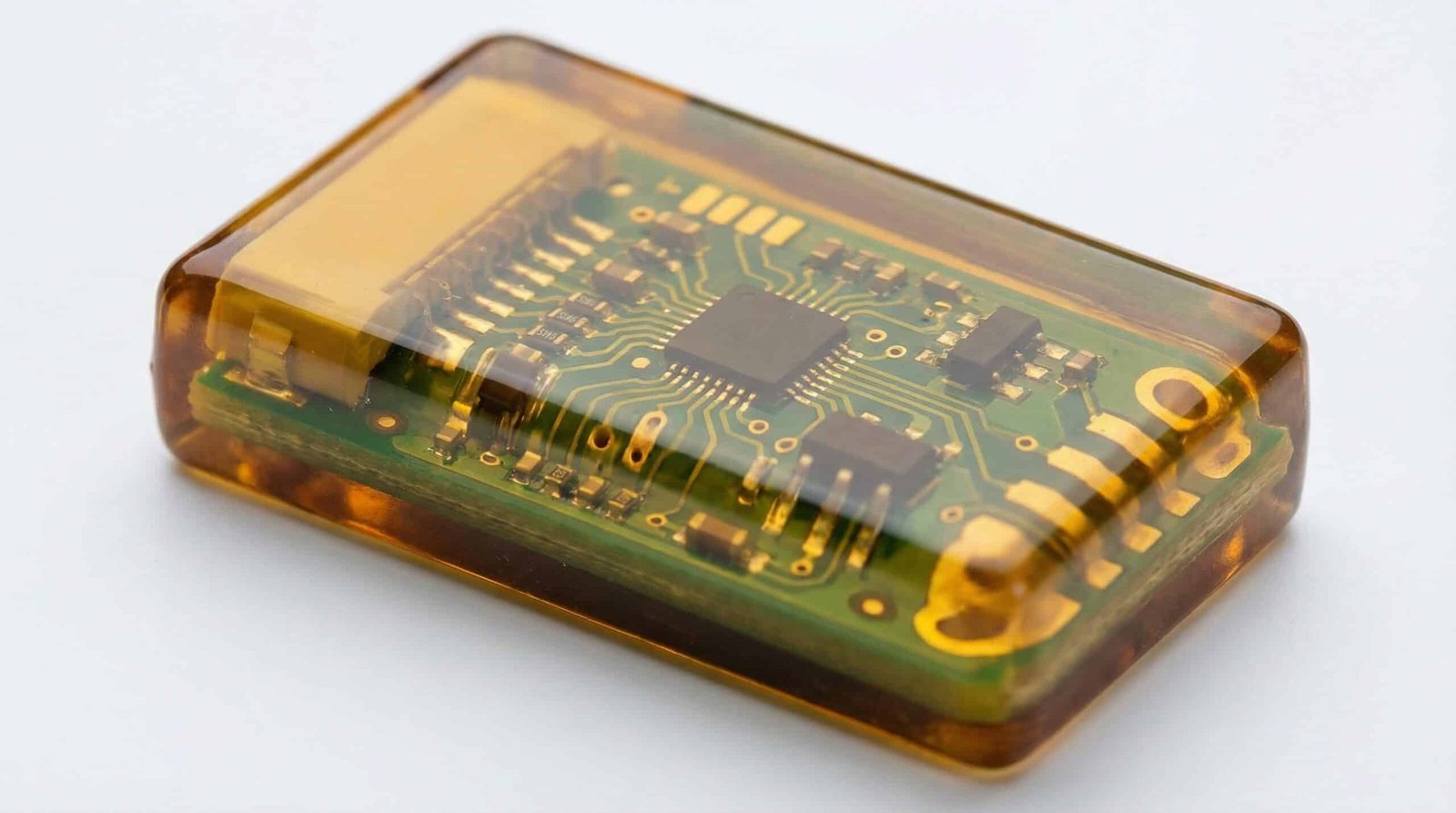
Add project-specific geometry, grip features, colors or molded identification subject to material and tooling feasibility.
Material Options
Cablum can process PVC, TPU and TPE for cable overmolding. Material selection is reviewed for each application rather than assigned by a universal rule.
A practical option for many cable applications where cost, appearance and standard mechanical protection are important.
Can be considered where flexibility, abrasion resistance or demanding mechanical use is part of the project requirement.
Can support flexible strain-relief and tactile design requirements, subject to compatibility with the cable and connector materials.
Project Workflow
Our process separates tooling, sampling and validation so that requirements can be checked before repeat production.

Review the drawing, sample, cable dimensions, material, quantity and performance requirements.
Define the geometry, strain-relief profile, gates, parting lines, identification and key dimensions.
Mold tooling is produced by a qualified external tooling partner and reviewed for the approved design.
Prepare samples and check appearance, dimensions, fit and agreed functional requirements.
Complete the project-specific inspection and test plan before production approval.
Manufacture and inspect repeat orders using the approved materials, tooling and work instructions.
Inspection & Validation
Inspection scope is agreed for each project. It may include dimensional, visual, electrical, mechanical or ingress-protection checks.
Typical Designs
Feasibility is evaluated from the actual interface, materials, quantities and operating environment.
Integrated protection and strain relief at cable-to-connector transitions.
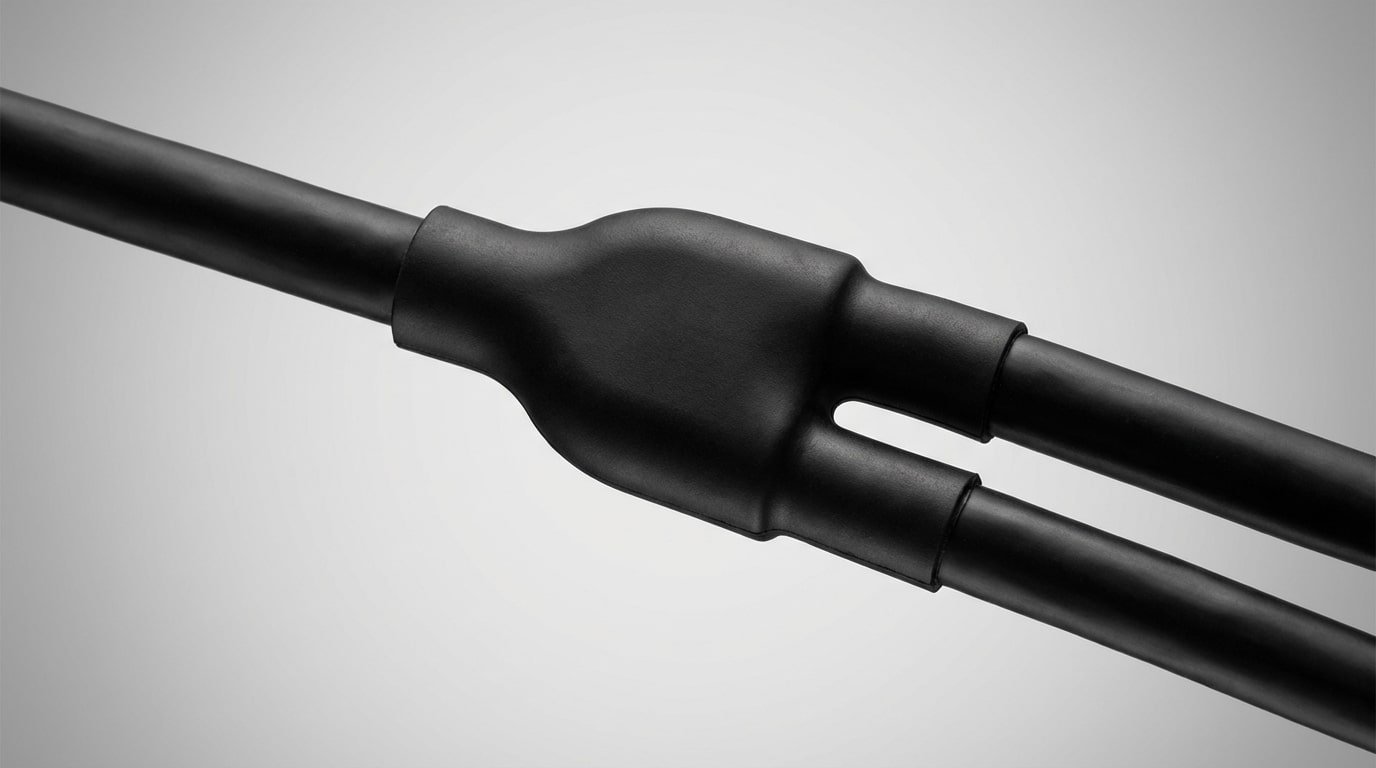
Molded branch points for custom multi-leg cable and harness assemblies.
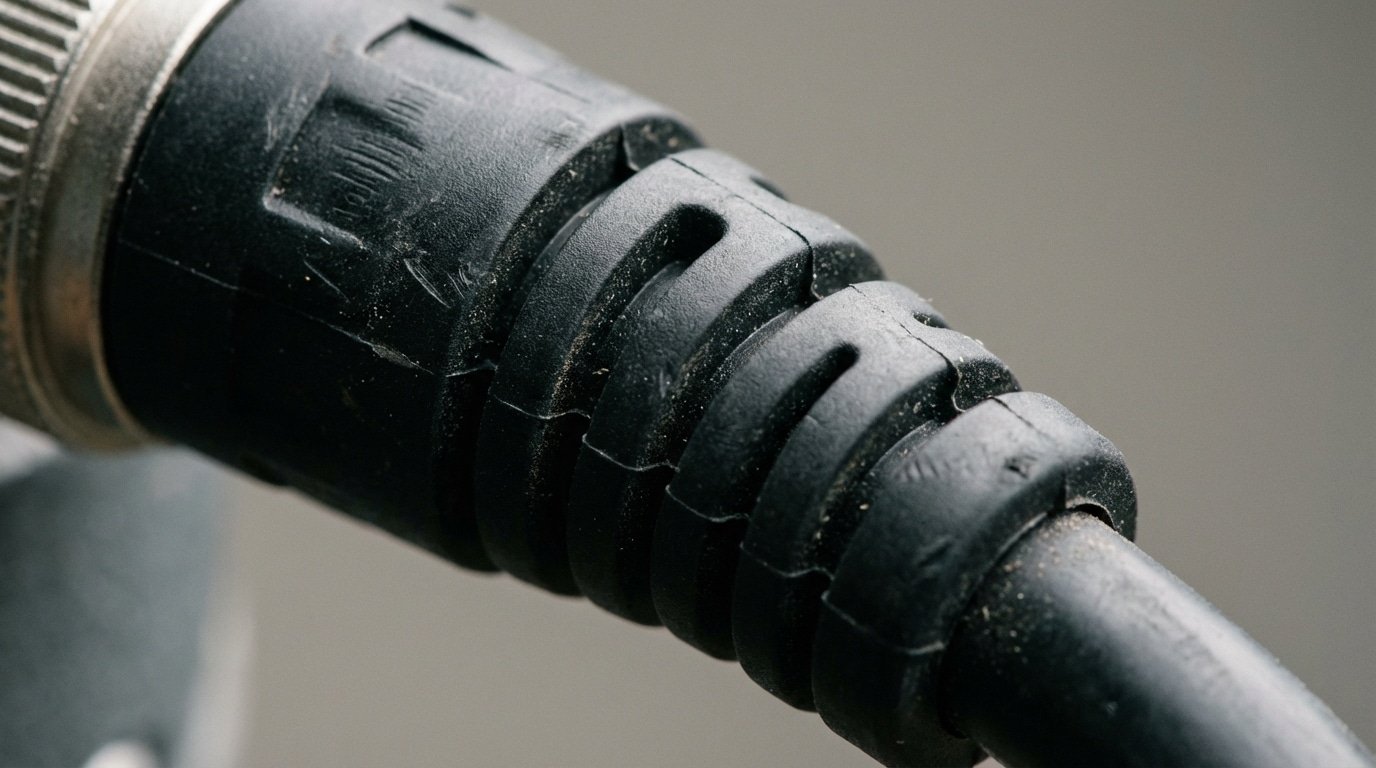
Custom profiles designed around cable diameter and bending needs.
Colors, text, logos or orientation features where tooling and material allow.
Frequently Asked Questions
Cablum supports PVC, TPU and TPE overmolding. The suitable material and grade depend on the cable, connector, flexibility, abrasion, environmental, appearance and regulatory requirements.
No. This service uses conventional injection overmolding. We do not present it as low-pressure molding or LPM.
No. Mold tooling is produced through qualified external tooling partners. Cablum coordinates the design requirements, reviews the tooling and manages sampling, assembly and production.
Yes, suitable designs can be tested and validated to project-specific IP67 or IP68 requirements. The test method, sample quantity and acceptance criteria must be agreed for each project.
No. Waterproof or air-leak testing is performed by sampling according to the agreed project inspection plan unless a different requirement is reviewed and quoted.
Timing depends on material availability, mold complexity, sample quantity and validation requirements. The typical 7–10 day cable prototype period does not automatically include the manufacture of new mold tooling.
Please provide drawings or samples, connector and cable dimensions, material preferences, color or logo needs, target quantity, operating environment and required tests.
Discuss Your Application
Send your drawing, sample, quantity and performance requirements. We will review the material, tooling and validation needs before quotation.
Process Video
See how a custom cable assembly moves from interface review and material selection through tooling, controlled injection overmolding, inspection and project-specific validation.
AI-assisted technical visualization for educational purposes. Actual tooling, materials, process settings and validation criteria depend on the approved cable assembly and project requirements.