Reducing EV Battery Harness Weight by 15% While Meeting High-Voltage Safety Standards
How Cablum helped a European EV startup optimize range and safety through material science and process engineering.
Project At a Glance
- Client: European EV Startup
- Challenge: Overweight & Stiff
- Solution: XLPE Cable + Ultrasonic Welding
- Outcome: -15% Weight / -12% Cost
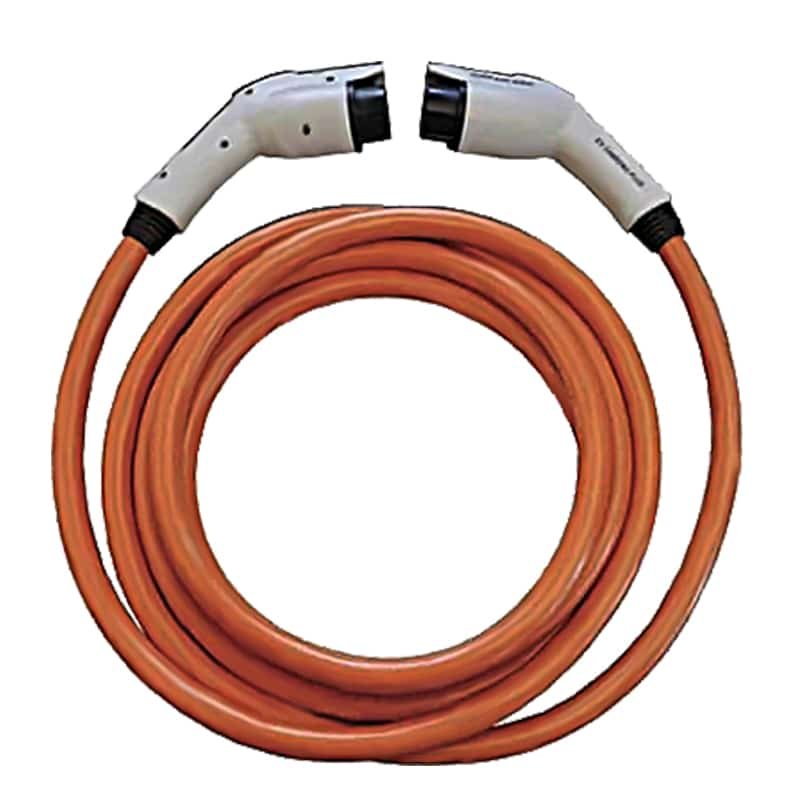
"Your EV battery harness is too heavy and stiff, hurting range and slowing assembly." This was the exact feedback our client was facing. Here is how we engineered a solution.
The Challenge: Heavy, Stiff, and Risky
When the European EV startup approached us, they had a functional prototype, but "functional" isn't good enough for mass production. Their original design used standard PVC shielded cables. While cost-effective for low-voltage applications, they created three critical problems:
The Weight Problem
The harness added unnecessary kilograms, directly reducing the vehicle's range—a key selling point.
The Assembly Problem
PVC is rigid. Technicians struggled to route cables inside the tight battery pack, slowing down assembly time.
The Safety Problem
PVC insulation (rated to 105°C) offered little safety margin against melting under peak load heat.
The Cablum Solution: Material & Process Upgrade
Our solution wasn't just swapping parts; it was a holistic re-engineering guided by IATF 16949 standards. We proposed replacing PVC with Cross-linked Polyethylene (XLPE) or high-temperature Silicone.
| Feature | Standard PVC | Cablum Solution (XLPE) | Advantage |
|---|---|---|---|
| Insulation | Thick, bulky | Thin, flexible | Lighter, easier routing |
| Voltage | 600V DC | 1000V DC | Higher safety margin |
| Temp Rating | ~105°C | 150°C - 200°C | No melting risk |
Beyond Materials: We also replaced heavy mechanical crimps with Ultrasonic Welding. This creates a solid-state molecular bond that is lighter, has lower electrical resistance, and will not loosen under vibration.
The Result: Lighter, Cheaper, Safer
The final harness passed IP67 waterproof tests and automotive high-vibration validation in our lab. The improvements impacted the client's bottom line immediately:
Total Weight
Increased Vehicle RangeBOM Cost
Via Design OptimizationCertified
Water & Dust ProofIs Your Harness Too Heavy?
Let our engineers review your design for weight reduction and cost savings.
Get a Free DFM Review