Wire Harness Lead Time: What Buyers Should Confirm Before Ordering
“How long will this wire harness order take?”
A number of days is useful only when both parties understand what it includes. Does the schedule start when the purchase order arrives, when the drawing is approved, or when the required components are available? Does it end when the assemblies are ready for collection or when they reach the buyer?
Before placing an order, confirm the starting conditions, completion milestone and unresolved dependencies behind the quoted lead time.
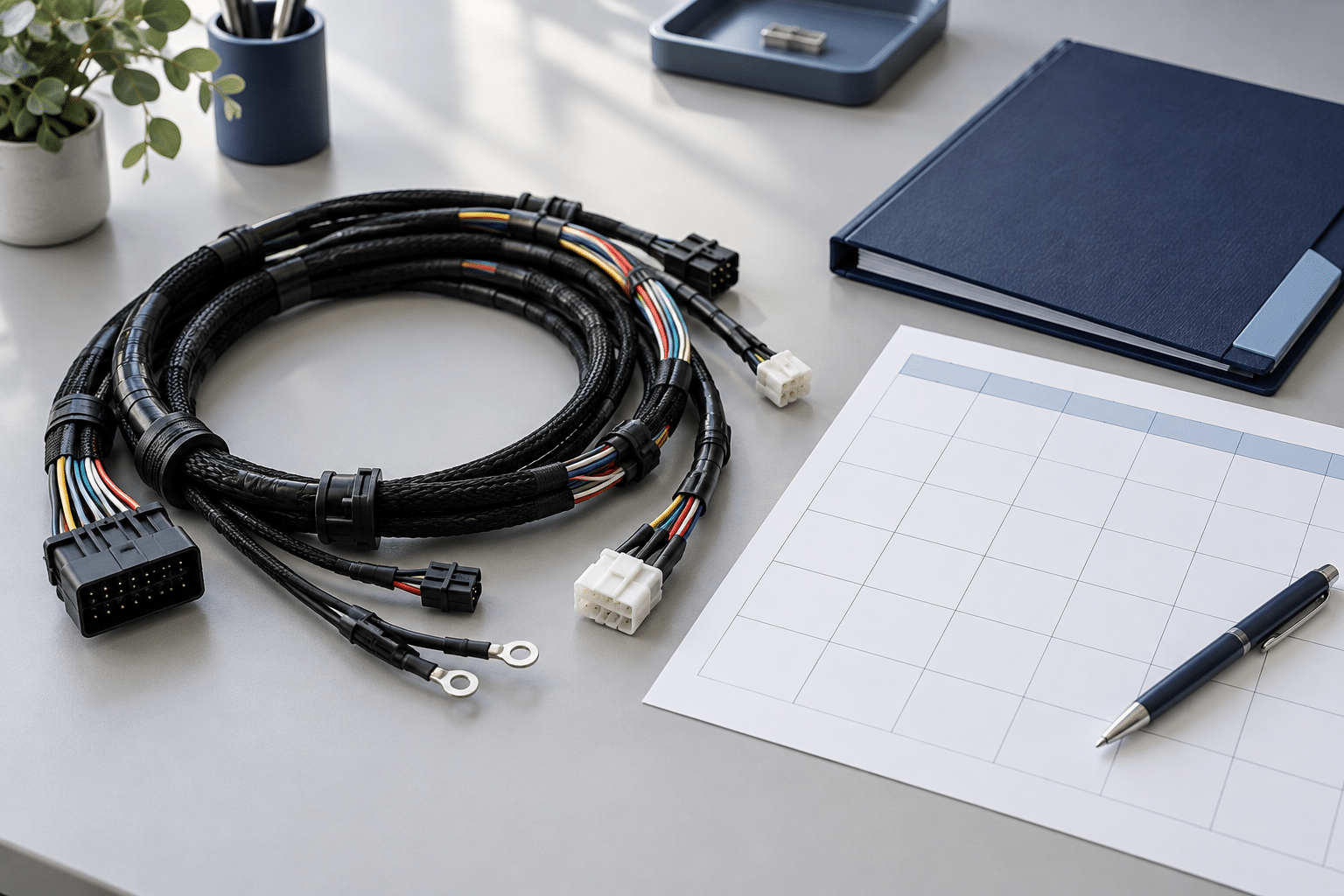
1. Separate the Different Timelines
A custom wire harness project can involve several separate timelines. Ask which ones are included in the quotation.
| Timeline | What to clarify |
|---|---|
| Quotation response | When the supplier expects to provide a quotation after receiving sufficient project information. |
| Prototype preparation | Whether the estimate includes component sourcing, tooling and the sample build. |
| Customer evaluation | Whether time for reviewing samples and approving changes is included or remains outside the supplier’s estimate. |
| Production | What must be confirmed before the production schedule starts. |
| Inspection and release | Whether agreed testing, reports and shipment preparation are included. |
| Transportation | Whether the estimate covers dispatch only or also includes a separate transport estimate. |
These activities do not necessarily happen one after another. Ask the supplier which can proceed together and which must wait for an earlier decision.
2. Confirm What Starts the Clock
Avoid relying on a statement such as “production takes several weeks” without defining when that period begins.
Depending on the agreed project arrangements, relevant starting conditions may include:
- Purchase order acceptance.
- Confirmation of commercial conditions.
- Approval of the applicable drawing and BOM revisions.
- Resolution of component selection or substitution questions.
- Availability of required materials.
- Completion of necessary tooling or fixture preparation.
- Sample approval, where required before production.
Not every project needs every condition. Identify the conditions that apply to your order.
Please identify the conditions that must be completed before the quoted production lead time starts, and confirm whether any of those conditions are still pending.
3. Distinguish an Estimate From a Confirmed Schedule
A quotation may be prepared while material availability, technical details or customer approvals are still being reviewed. Ask the supplier to identify whether the timing is:
- Preliminary: based on assumptions that still need confirmation.
- Conditional: dependent on specific outstanding items.
- Confirmed: tied to an agreed configuration and clearly stated conditions.
These are suggested communication labels, not universal industry definitions.
For each unresolved item, record what needs to happen, who will respond and when the schedule will be reviewed again. This makes a conditional estimate more useful than an unexplained delivery date.
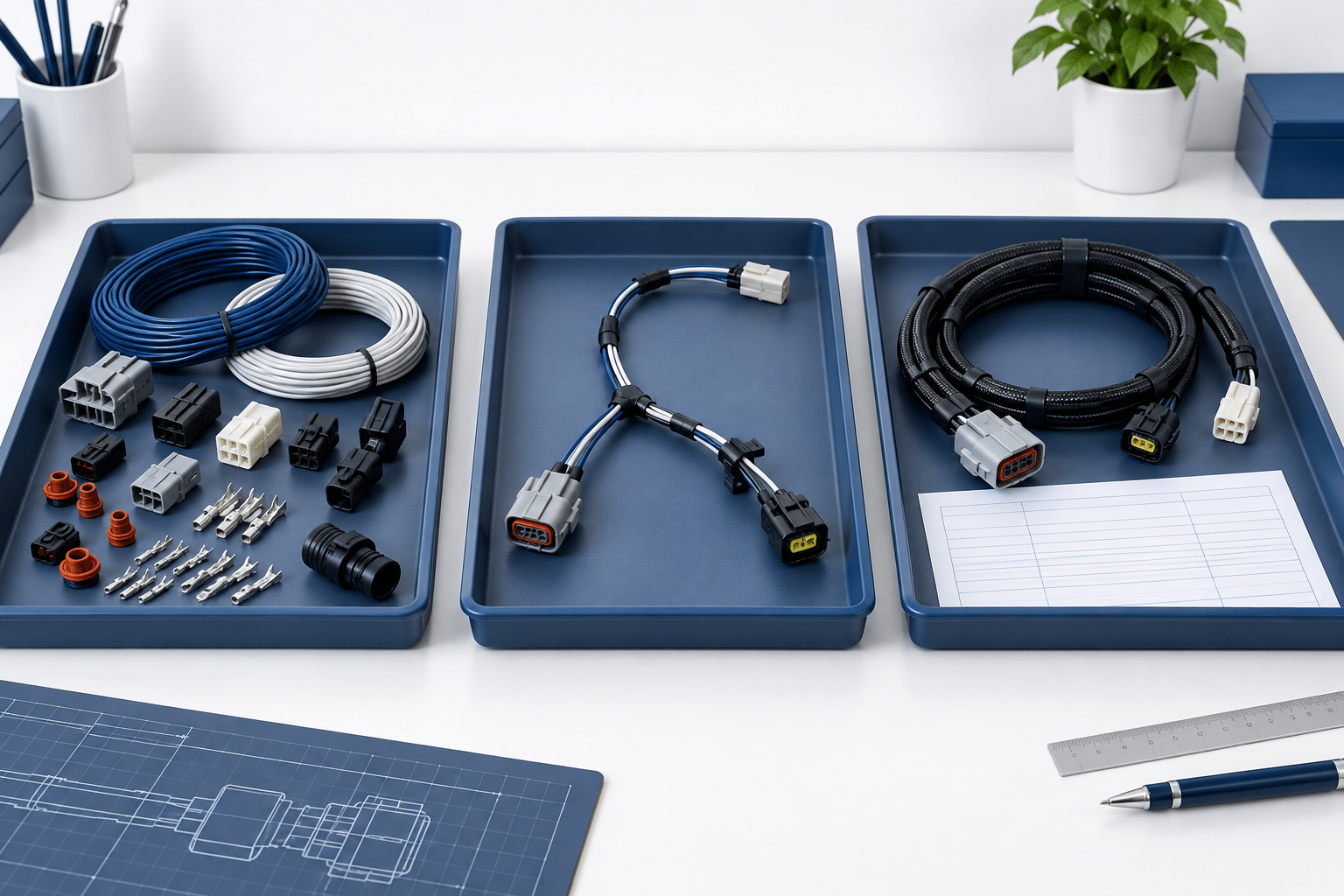
4. Define the End Point
“Delivery” can mean different things in a project discussion. Ask for a specific milestone rather than relying on the word alone.
- Manufacturing completed.
- Agreed inspection and testing completed.
- Required documentation completed.
- Goods packed and ready for collection.
- Shipment handed to the carrier.
- Estimated arrival at the destination.
A ready-for-collection date is not the same as an arrival date. Confirm the transport arrangements and any separate transit estimate alongside the production schedule.
The schedule confirmation should remain consistent with the agreed quotation and order terms.
5. Identify What Could Change the Schedule
Ask which open decisions could affect the current estimate.
| Open item | Question to ask |
|---|---|
| Drawing or BOM revision | Which revision is the schedule based on? |
| Component availability | Has availability been checked for the required quantity? |
| Proposed substitution | Is customer review needed before procurement or assembly can proceed? |
| Prototype evaluation | Does production depend on approval of a sample? |
| Testing or documentation | Are the requested checks and records included in the schedule? |
| Order quantity or shipment plan | Would a quantity change or split-shipment request require a revised schedule? |
A change does not automatically mean a delay. It means the supplier should review the effect and communicate an updated position rather than silently retaining an outdated date.
For component substitutions, see our guide to original and alternative components in wire harness quotations.
6. Use a Lead-Time Confirmation Sheet
A short shared record can make responsibilities and assumptions visible.
| Field | Information to confirm |
|---|---|
| Project reference | Part number and applicable drawing/BOM revisions |
| Order scope | Quantity and any agreed shipment batches |
| Schedule status | Preliminary, conditional or confirmed |
| Starting conditions | The agreed events required to begin the quoted period |
| Outstanding items | What remains unresolved and who will respond |
| Time basis | Calendar days or working days, with relevant non-working periods clarified |
| Completion milestone | The exact event that marks completion of the quoted period |
| Transport scope | Whether transportation is included or separately estimated |
| Next update | When the supplier will reconfirm the schedule |
| Change record | Any revised date and the reason for the revision |
This sheet is a communication aid. It does not replace the agreed purchase order, quotation or contractual terms.
Copy-and-Paste Email: Confirming a Quoted Lead Time
Thank you for confirming the estimated lead time.
Before we place the order, could you please clarify:
- What conditions must be completed before the quoted lead time starts?
- Is the estimate stated in calendar days or working days?
- Does it include material sourcing, any required sample approval, production, testing and packing?
- Does the completion date mean ready for collection, dispatch or estimated arrival?
- Are any components, documents or approvals still pending?
Please confirm the drawing/BOM revision and order quantity used for this schedule, and advise when the timing can be reconfirmed if any items remain open.
Resolve These Schedule Questions Before Ordering
What if the purchase order is ready but the drawing is not approved?
Ask which activities can proceed and which require drawing approval. Record the remaining dependency and its owner. Do not assume that sending the order starts every part of the quoted schedule.
How should a revised delivery estimate be recorded?
Keep the previous milestone, revised milestone, reason for change and next confirmation date together. Identify whether the change affects material availability, production release, collection or transport so the buyer can update the correct part of the plan.
Does a repeat order automatically have the same lead time?
Request confirmation for the current quantity and revision. Check open component, approval and schedule assumptions rather than copying the previous order’s date calculation.
Use the quantity-planning worksheet to distinguish the batch needing a date from tentative future demand. General manufacturing stages are covered separately in our low-volume wire harness guide.
Discuss Your Project Schedule With Cablum
Cablum can review customer drawings, BOMs and project requirements for custom wire harness and cable assembly projects.
When requesting a quotation, provide your required quantity, project stage and target date. Explain whether that date refers to sample availability, goods ready for collection or arrival at your location.
The applicable schedule should be confirmed for the specific project rather than assumed from another order.