A wire harness may look like a simple bundle of wires, terminals, connectors, tape, and protective tubing. But in real applications, it must survive bending, vibration, temperature change, moisture, abrasion, current load, installation stress, and long-term use.
The good news: many wire harness failures can be reduced through early design review, correct material selection, controlled manufacturing, reliable crimping, proper protection, approved component sourcing, and complete testing.
Quick Summary: Wire Harness Failure Causes and Prevention
| Failure Cause | Typical Risk | Prevention Method |
|---|---|---|
| Poor Strain Relief | Broken wires, connector exit damage, intermittent signal. | Overmolding, strain relief boot, cable clamp, bend radius review. |
| Moisture, Heat and Vibration | Corrosion, insulation aging, fatigue, unstable connection. | Sealed connectors, wire seals, heat-resistant insulation, proper fixation. |
| Abrasion and Poor Routing | Insulation wear, exposed conductors, shorts, harness movement. | Corrugated tubing, braided sleeve, grommets, clips, routing review. |
| Hidden Manufacturing Defects | High resistance, loose terminals, miswires, intermittent contact. | Crimp height, pull force, cross-section analysis, electrical testing. |
| Poor Component Sourcing | Connector mating issues, corrosion, poor retention, unreliable terminals. | Approved sources, traceability, CoC when required, incoming inspection. |
Poor Strain Relief
Why do cables often fail near the connector?
Strain relief failure is one of the most common reasons cables break near connectors or termination points. When bending, pulling, vibration, or repeated movement is concentrated at the connector exit, the conductors, terminals, solder joints, or crimped areas may fatigue over time.
The Engineering Fix: Use proper strain relief such as overmolding, molded boots, grommets, clamps, bend radius control, or cable support. Overmolding can help distribute flex stress over a wider area and reduce the risk of wire breakage at the termination point.
Related: Wire Harness DFM Case Study
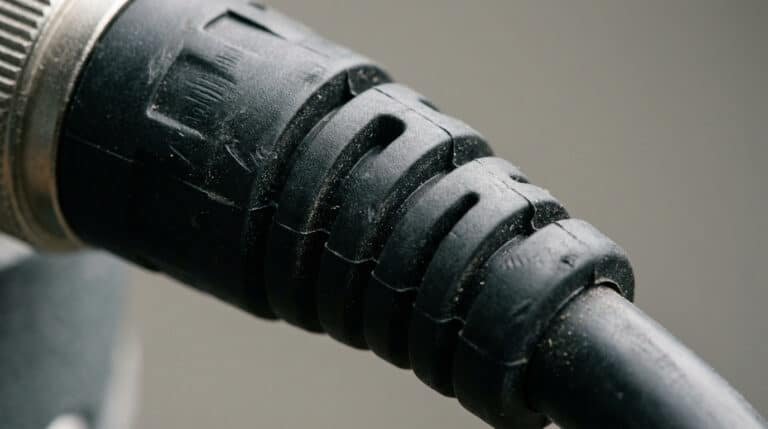
Figure 1: Overmolded strain relief for connector exit protection
Environmental Stress
Moisture, heat, vibration and chemical exposure
Environmental stress can quietly degrade a wire harness over time. Moisture may cause terminal corrosion, heat can age or soften unsuitable insulation, and vibration can create fatigue at connectors, clips, splices, and branch points.
The Engineering Fix: Match materials and protection methods to the environment.
- Moisture: Use sealed connectors, wire seals, gaskets, heat shrink, or other approved sealing methods.
- Heat: Select insulation, tubing, tape, and connectors with suitable temperature ratings.
- Vibration: Use clips, clamps, strain relief, and routing support to reduce unsupported movement.
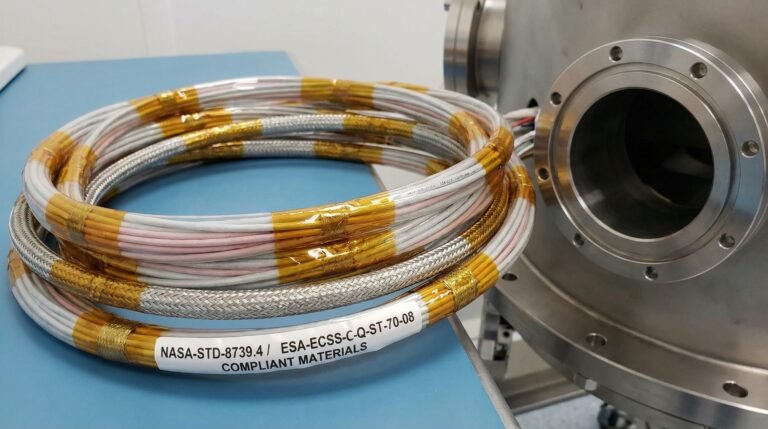
Figure 2: Sealed connector and material selection for environmental protection
Abrasion and Poor Routing
Insulation wear from sharp edges, movement and poor protection
Routing wires near sharp metal edges, brackets, moving parts, or high-friction surfaces can wear away insulation. Over time, abrasion may expose conductors and increase the risk of shorts, intermittent contact, or electrical damage.
The Engineering Fix: Review the harness routing path early. Use corrugated tubing, braided sleeving, cloth tape, heat shrink, rubber grommets, edge protection, and clips where required. Avoid direct contact with sharp edges or moving parts.
Related: Automotive Wire Harness Taping Guide
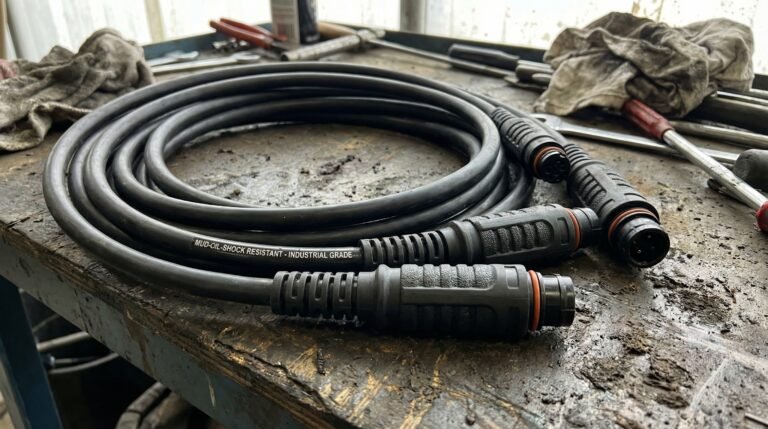
Figure 3: Protective covering and routing support for abrasion control
Hidden Manufacturing Defects
Crimp defects, wrong wire gauge, miswires and weak process control
Some defects are difficult to see after assembly. A poor crimp, incorrect terminal, damaged conductor, wrong wire gauge, or miswire can create intermittent “ghost” problems that are hard to diagnose in the field. In high-current circuits, undersized wire or poor connections can also cause heat generation.
The Engineering Fix: Use documented process controls, inspection plans and project-specific testing.
- Wire Sizing: Match wire gauge and material to current load and voltage drop requirements.
- Crimp Quality: Use crimp height checks, pull force testing, and cross-section analysis when required.
- Electrical Testing: Check continuity, opens, shorts, miswires, and customer-specific functions.
Related: Wire Harness Crimping Guide / Terminal Cross-Section Analysis
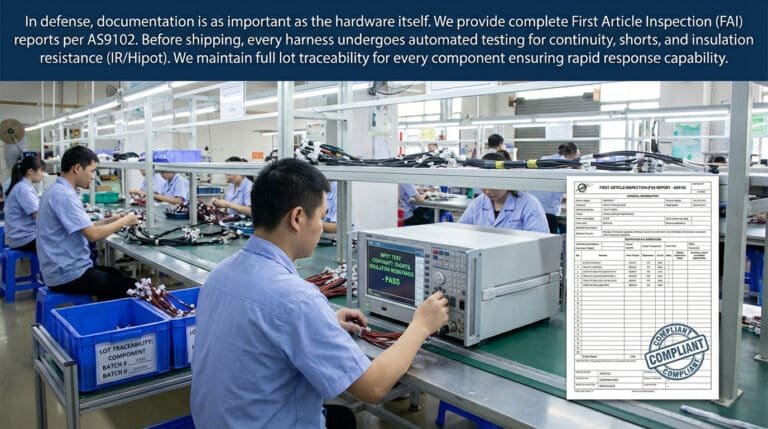
Figure 4: Process control and quality inspection for hidden defect prevention
Poor Component Sourcing
Low-quality terminals, connectors and unverified substitutes
Connector and terminal quality directly affects wire harness reliability. Poor plating, weak spring force, inconsistent terminal geometry, wrong substitutes, or unverified sourcing can lead to corrosion, poor retention, mating issues, increased resistance, or early failure.
The Engineering Fix: Use approved component sources and maintain traceability. For customer-specified brands or equivalents, confirm part numbers, datasheets, mating compatibility, plating, current rating, and Certificates of Compliance when required.
Secure Your Supply Chain
Use approved parts, clear BOM control, incoming inspection, and traceability requirements to reduce component-related wire harness failures.
How Cablum Helps Prevent Wire Harness Failure
Cablum supports OEM customers with custom wire harness and cable assembly manufacturing, including DFM review, material selection, connector sourcing, crimping process control, protection design, visual inspection, and electrical testing.
DFM Review
Review drawings, BOM, wire gauge, connector selection, routing, protection materials, and testing requirements.
Manufacturing Process Control
Support controlled cutting, stripping, crimping, connector insertion, taping, assembly, and final inspection.
Quality Validation
Support pull force testing, crimp height checks, cross-section analysis, continuity testing, and project-specific validation.
Sourcing and Traceability
Help manage approved components, customer-specified parts, equivalent review, incoming inspection, and documentation.
Prevent Wire Harness Problems Before Production
Do not wait until field issues appear. Send us your drawing, BOM, connector list, routing environment, current requirements, and target quantity. Cablum can help review DFM risks and recommend practical improvements before prototype or mass production.