What IATF 16949 Certification Means for Automotive Wire Harness Buyers
Choosing an IATF 16949 certified wire harness manufacturer helps automotive buyers reduce supplier risk, strengthen process control, improve traceability, and support defect prevention across custom cable assembly production.
Automotive wire harnesses are used in demanding environments where vibration, heat, moisture, current load, long service life, and strict documentation requirements all matter. For automotive OEMs and Tier suppliers, quality is not only about final inspection. It depends on controlled processes, risk management, supplier discipline, traceability, and continuous improvement.
IATF 16949 is the globally recognized automotive quality management standard built on ISO 9001 with additional automotive-specific requirements. For buyers, working with an IATF 16949 certified partner means the supplier’s quality system has been audited against automotive expectations for process control, defect prevention, risk-based thinking, traceability, and corrective action.
“IATF 16949 certification supports a quality system focused on defect prevention, continuous improvement, process control, traceability, and automotive supply chain risk management.”
What Is IATF 16949?
Automotive quality management built on ISO 9001
IATF 16949 is an automotive quality management system standard. It is based on ISO 9001 but adds automotive-specific requirements for defect prevention, variation reduction, product safety, embedded software where applicable, supplier control, traceability, risk management, and continual improvement.
For wire harness manufacturing, this quality system mindset affects how drawings are reviewed, components are sourced, terminals are crimped, assemblies are inspected, changes are controlled, and production records are managed.
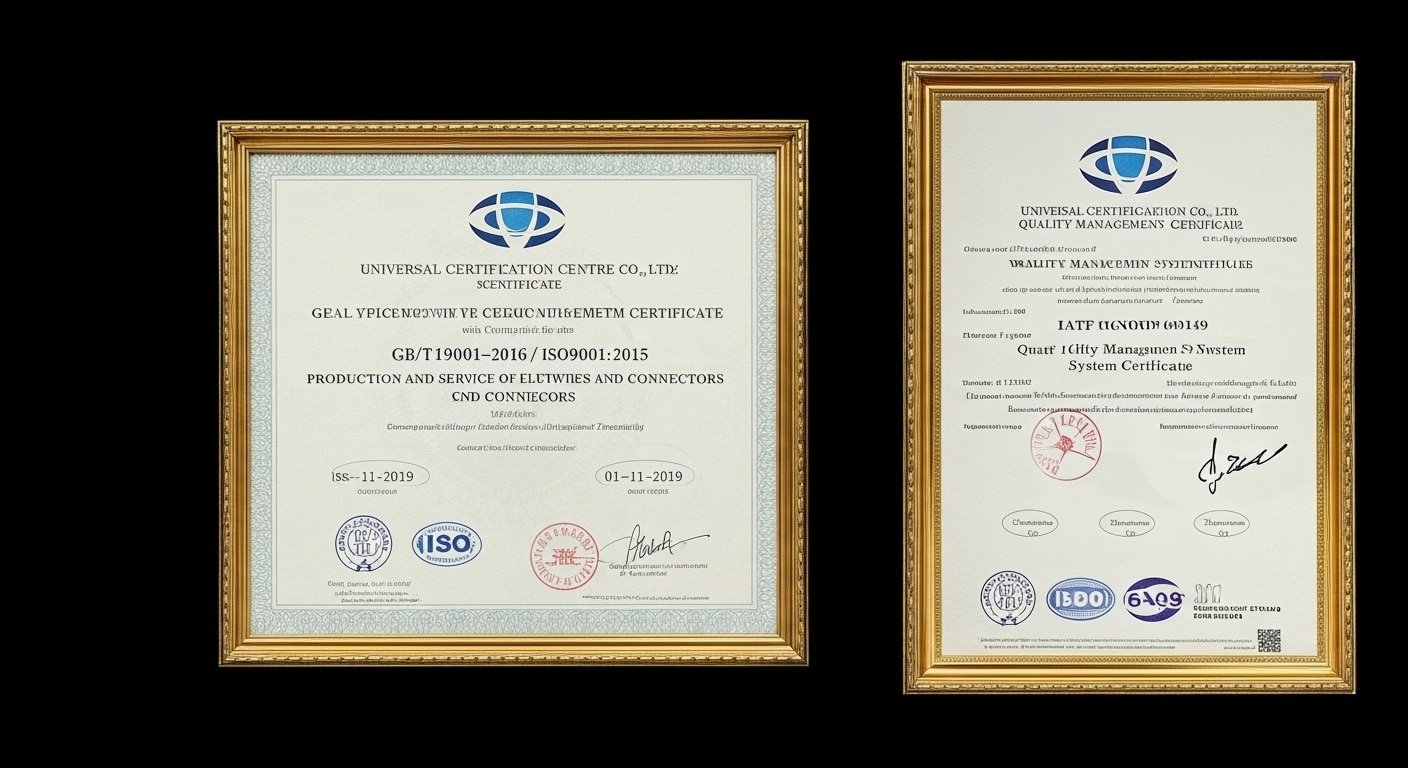
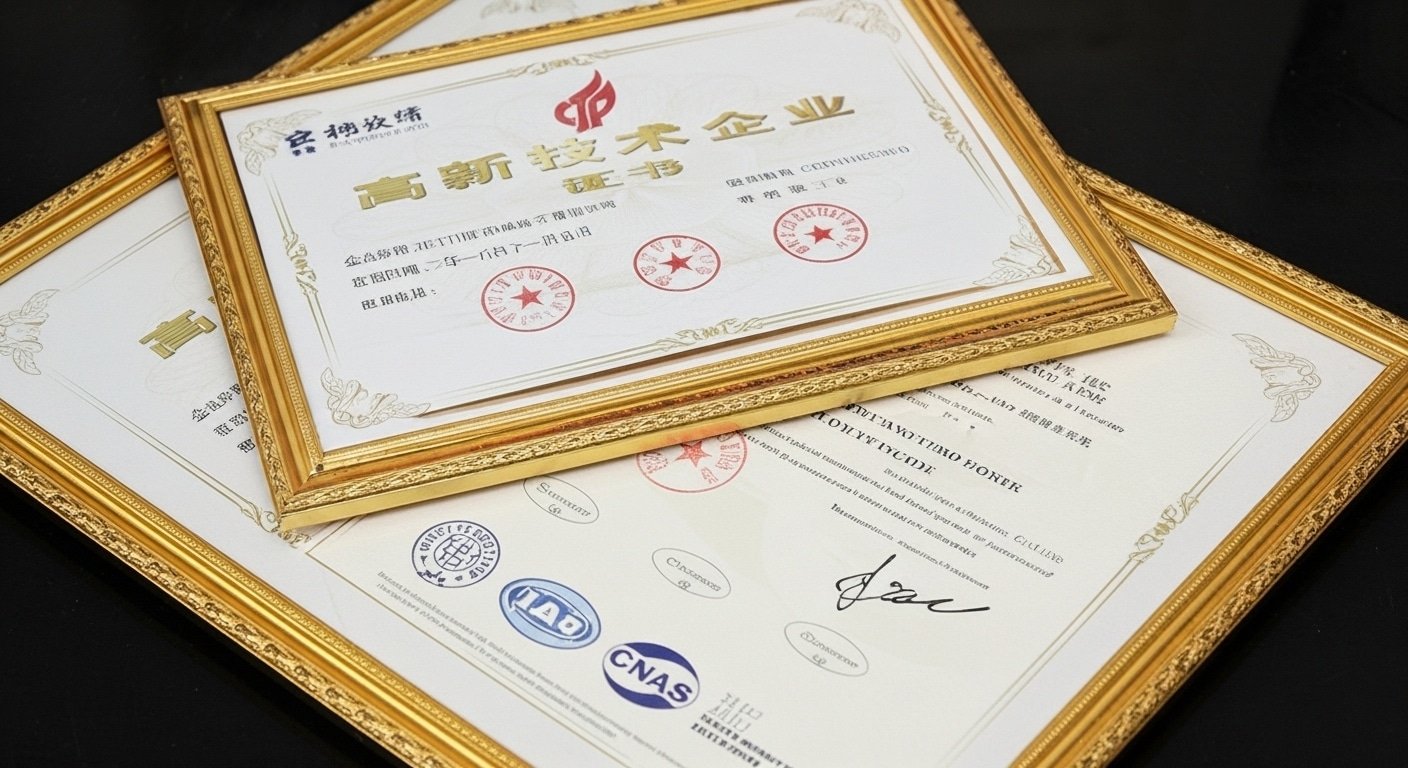
Key Point: IATF 16949 is not only a certificate on the wall. It represents a structured quality system for automotive production, supplier management, documentation, corrective action, and continuous improvement.
IATF 16949 vs ISO 9001
ISO 9001 is the foundation; IATF 16949 adds automotive requirements
ISO 9001 provides a general quality management foundation used across many industries. IATF 16949 builds on that foundation for automotive manufacturing and supply chain management.
| Standard | Main Focus | Automotive Buyer Relevance |
|---|---|---|
| ISO 9001 | General quality management system. | Provides a broad quality foundation for many industries. |
| IATF 16949 | Automotive quality management system. | Adds automotive-specific expectations for defect prevention, traceability, risk management, process control, and supplier quality. |
Buyer Tip: When evaluating automotive wire harness suppliers, ask for valid certificates, scope of certification, expiry date, and whether the certificate covers the actual manufacturing site.
Why IATF 16949 Matters for Automotive Wire Harness Buyers
Automotive buyers need suppliers that can support stable processes, documentation, risk management, supplier control and corrective action — not just low pricing.
Defect Prevention
Quality planning, process controls and risk analysis help reduce the chance of defects reaching customers.
Risk Management
Tools such as FMEA help teams identify potential failure modes and plan preventive controls earlier.
Traceability
Batch-level traceability for materials, process records and inspection data supports quality investigations and corrective action.
Continuous Improvement
Automotive quality systems encourage ongoing process improvement instead of relying only on end-of-line inspection.
Related Reading
For common quality risks in wire harness projects, read our Wire Harness Failure Prevention Guide .
How IATF 16949 Applies to Wire Harness Manufacturing
From material sourcing to final electrical testing
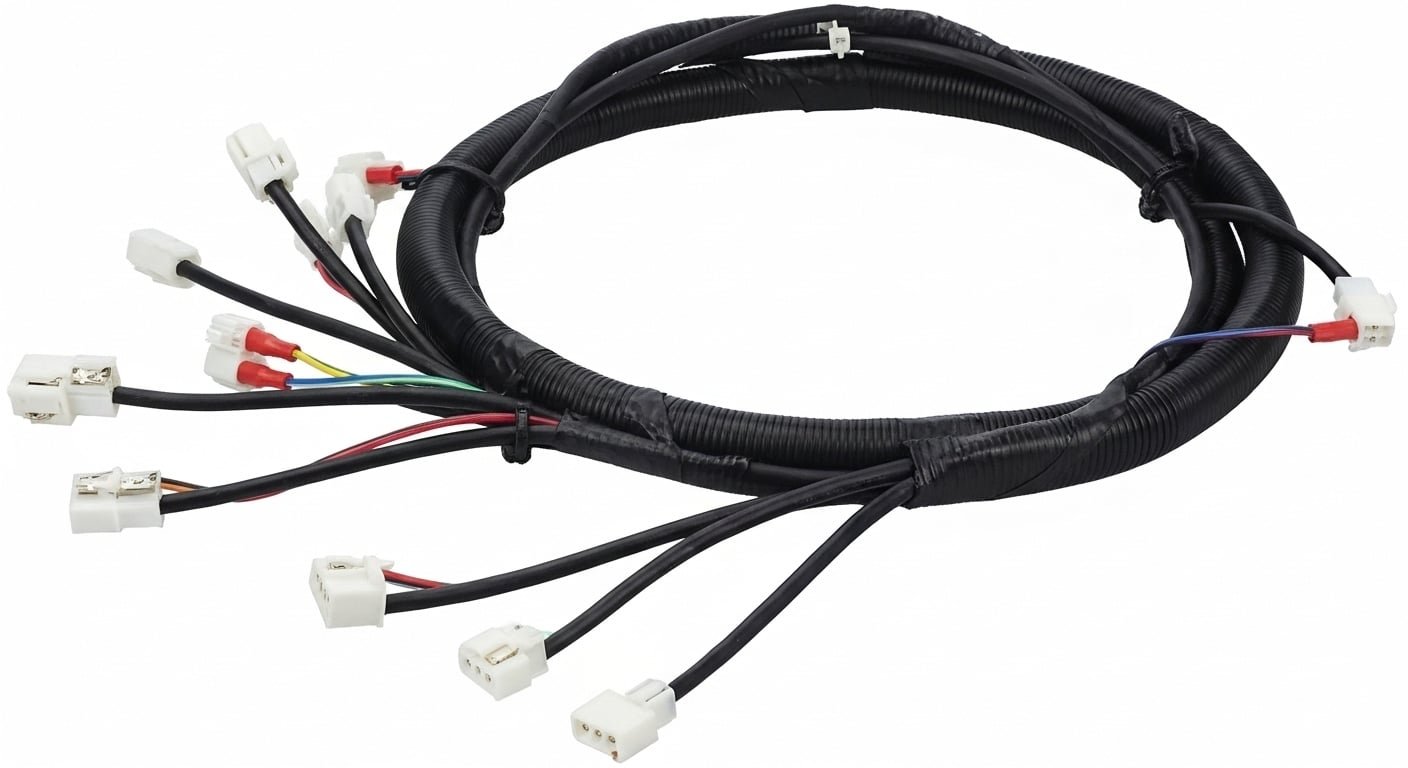
In automotive wire harness manufacturing, quality depends on each process step: sourcing, cutting, stripping, crimping, connector insertion, taping, assembly, inspection, electrical testing and packing.
An IATF 16949 certified quality system supports stronger control over these activities through documented processes, training, inspection plans, supplier management, change control, nonconformance handling, and corrective action.
Process Example: For applicable terminals and production setups, crimp force monitoring can help detect abnormal process conditions during crimping. Pull force testing, crimp height checks, cross-section analysis and electrical testing can also support project-specific quality validation.
Key Quality Controls Automotive Buyers Should Ask About
Certification is important, but buyers should also understand how the supplier controls daily production. The table below summarizes practical quality controls for automotive wire harness manufacturing.
| Quality Control Area | What to Ask | Why It Matters |
|---|---|---|
| Incoming Inspection | How are connectors, terminals, wires, seals and labels checked before production? | Reduces material and component-related quality issues. |
| Crimp Validation | Are crimp height, pull force, visual inspection and cross-section analysis used when required? | Supports stable electrical and mechanical connection quality. |
| Electrical Testing | Are continuity, open, short, miswire or functional tests defined for each project? | Helps verify circuit correctness before shipment. |
| Traceability | Can the supplier trace material lots, inspection records and production batches? | Supports containment, investigation and corrective action if issues occur. |
| Change Control | How are component substitutions, process changes or drawing updates controlled? | Prevents unapproved changes from affecting performance or compliance. |
| Corrective Action | How does the supplier investigate nonconformances and prevent recurrence? | Shows whether the supplier improves processes instead of only sorting defects. |
Related Reading
To see how these controls fit into daily production, read our Custom Wire Harness Manufacturing Process .
Glossary of Key Automotive Quality Terms
-
IATF 16949:
Automotive quality management system standard focused on defect prevention, risk management and continuous improvement. -
FMEA:
Failure Mode and Effects Analysis — a structured method to identify and reduce potential failure risks. -
Traceability:
The ability to connect materials, production batches, inspection records and quality documents for investigation and control. -
SPC:
Statistical Process Control — using process data to monitor variation and support manufacturing consistency.
-
Control Plan:
A document that defines critical process steps, inspection methods, control methods and reaction plans. -
PPAP:
Production Part Approval Process — a structured automotive approval process used for production readiness. -
Crimp Force Monitoring:
A process monitoring method that can help detect abnormal force signatures during applicable crimping operations. -
Corrective Action:
A structured response to nonconformance that identifies root cause and reduces the chance of recurrence.
How Cablum Supports Automotive Wire Harness Quality
Cablum is an IATF 16949 certified wire harness manufacturer supporting automotive and OEM customers with custom wire harness manufacturing, cable assembly production, quality control, DFM review, component sourcing, inspection planning and electrical testing.
Our team can support automotive projects with drawing review, BOM review, approved component sourcing, crimping process control, visual inspection, traceability records, production documentation and customer-specific requirements.
DFM and Quality Planning
Review drawings, BOM, tolerances, wire gauge, connectors, protection methods and test requirements before production.
Crimping and Process Control
Support crimp height checks, pull force testing, process monitoring and cross-section analysis when required.
Electrical and Functional Testing
Support continuity, open, short, miswire and customer-specific testing requirements.
Traceability and Documentation
Support production batch records, material traceability, inspection documentation and customer approval requirements.
Related Insights
Wire Harness Crimping Guide
Learn how crimp height, pull force and inspection support reliable wire harness terminations.
Read More →Wire Harness Failure Prevention
Explore common failure causes including strain relief, abrasion, crimp defects and poor sourcing.
Read More →Manufacturing Process
See how custom wire harnesses are built from cutting and crimping to assembly and testing.
Read More →FAQ: IATF 16949 Certification for Wire Harness Buyers
Work with an IATF 16949 Certified Wire Harness Manufacturer
Send us your automotive wire harness drawing, BOM, connector list and quality requirements. Cablum can support DFM review, prototype builds, production planning, inspection and automotive quality documentation.