Wire Harness Design
Resources & Engineering Guides
Stop guessing. Get our 2026 technical handbook covering custom cable assembly material selection, IP67 waterproofing techniques, and cost-reduction DFM strategies.
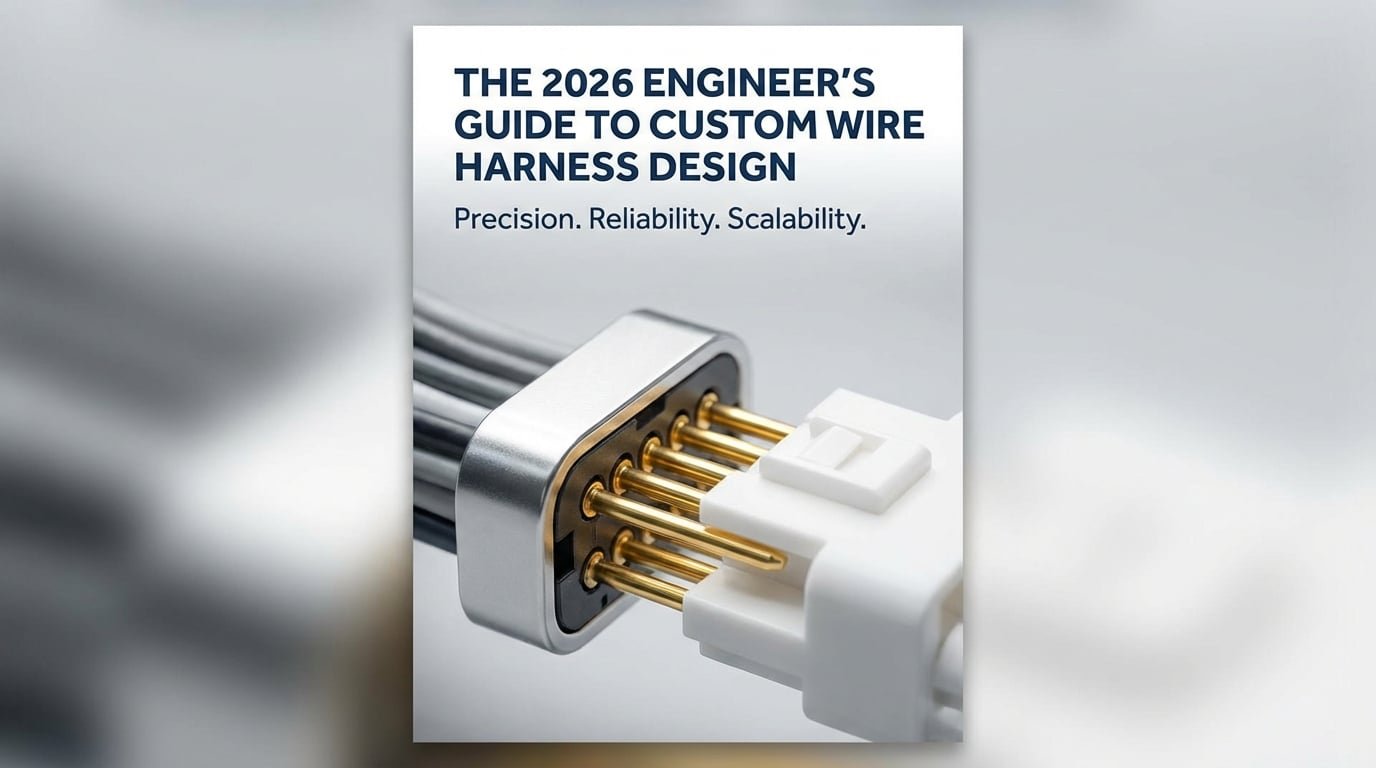
Engineering Reference Guides
Drawing, connector and material references for custom harness projects.
Length & Dimension Requirements
Define datums, lengths and tolerances.
Connector Selection Requirements
Identify mating parts, retention and required ratings.
Materials & Components
Review specified wires, contacts and protection materials.
Recent Connector & Assembly Guides
Wire Harness Engineering Resource Topics
Move from design inputs to controlled manufacturing and verification.
OEM Drawing and Sourcing Guides
RFQ and Purchasing Planning Guides
- Original vs. alternative components — clarify proposed parts and approval evidence.
- Wire harness lead-time confirmation — define starting conditions and completion milestones.
- Annual forecast vs. order quantity — separate current batch requirements from future demand.
- Wire harness quote breakdown — compare unit prices, one-time charges and material purchasing costs.
- RF cable assembly specifications — define impedance, frequency, connector orientation and acceptance requirements.
- Shield termination requirements — document shield and drain-wire connections at both cable ends.
Latest Insights
Trends, case studies, and DFM advice.
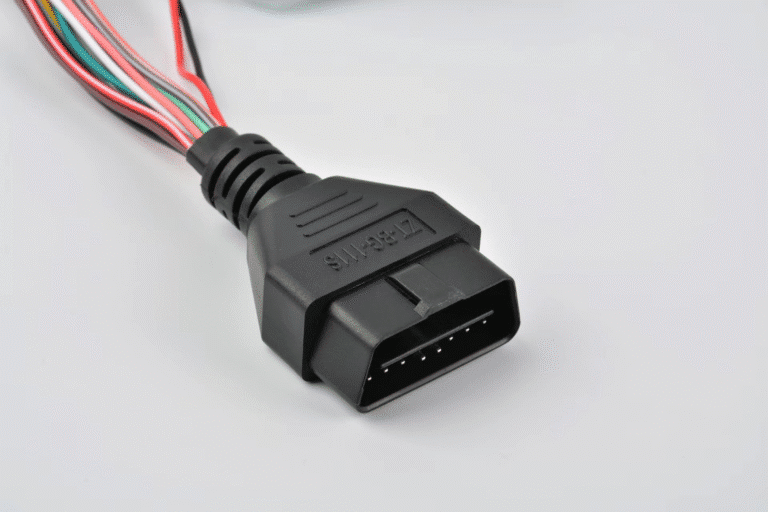
Jul 21, 2025
Ultrasonic Welding vs Crimping: Which Splicing Method is Superior for Your Wire Harness in 2026?
Engineering Tips Ultrasonic Welding vs Crimping: How to Choose the Right Wire Splicing Method for Wire Harnesses By...
Read More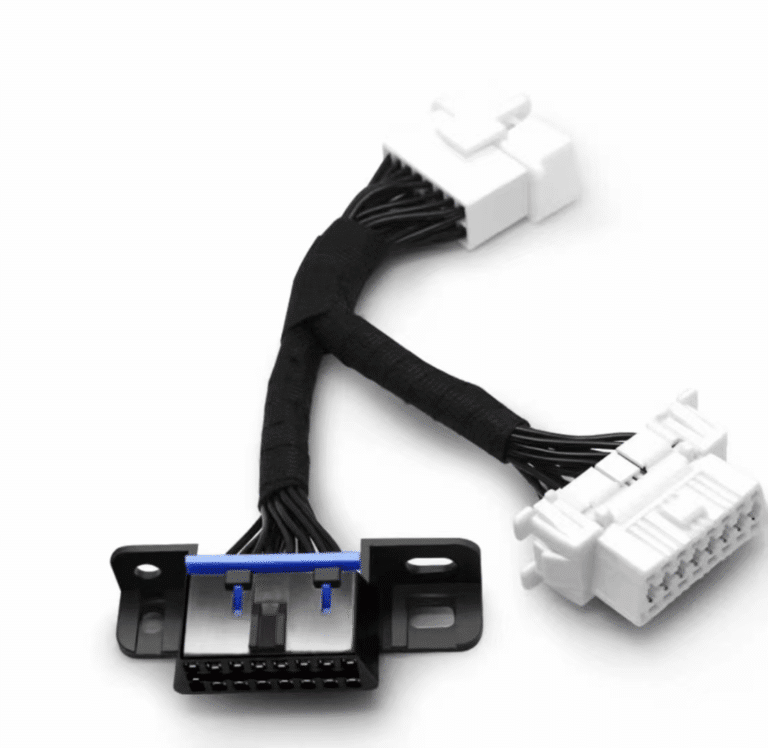
Jul 21, 2025
The Expert Guide to Wire Harness Crimping: Creating a Perfect, Gas-Tight Connection in 2026
Engineering Tips Wire Harness Crimping Guide: How to Create Reliable Gas-Tight Connections By Cablum Manufacturing Team A reliable...
Read MoreTechnical Documentation
Use the engineering guide for project preparation. Request current certificate copies and registered scope for supplier approval.